Choosing between Old Town Basalt and Willits is not just about picking a home. It is about deciding how you want your day-to-day life to feel. If you are comparing these two parts of Basalt, you are likely weighing character, convenience, walkability, and access to the places you use most. This guide will help you understand the differences clearly so you can narrow in on the setting that fits you best. Let’s dive in.
Two Distinct Basalt Centers
Basalt itself frames Historic Downtown and Southside in East Basalt and Willits in West Basalt as the town’s two major population centers. In practical terms, Old Town Basalt refers to the original township, including the Midland Avenue business district and the Hill District. Willits, by contrast, functions as West Basalt’s newer mixed-use business district.
That distinction matters when you are buying. These areas are part of the same town, but they offer noticeably different rhythms, streetscapes, and housing choices.
Old Town Basalt at a Glance
Old Town Basalt is the historic heart of town. According to the town’s planning materials, it has a compact pattern with small lots, a quasi-grid street system, and a central commercial core that extends along Midland Avenue toward the Fryingpan River.
If you are drawn to places with an established main-street feel, Old Town will likely stand out. The area is known for a smaller-scale setting, older structures, and a river-adjacent location that feels rooted in Basalt’s original identity.
Old Town character and streetscape
The town describes Midland Avenue as a quaint commercial street with brick buildings, street trees, sidewalks, and on-street parking. Current design work also emphasizes preserving the area’s railroad heritage and small-town charm while guiding compatible infill, additions, and new construction.
For a buyer, that points to a place where historic identity remains central. You may find that the appeal here is less about newness and more about texture, scale, and a sense of continuity.
Old Town lifestyle feel
Old Town tends to suit buyers who want an intimate, walkable downtown experience. Midland Avenue is described by the town as the heart of downtown Basalt, with restaurants, cafes, retail shops, services, and other businesses.
You also have local events woven into the setting. The Basalt Sunday Market takes place on Midland Spur near Town Hall and Lions Park, reinforcing that classic main-street atmosphere many buyers are looking for.
Willits at a Glance
Willits presents a different version of Basalt living. The town identifies Willits Town Center as the business district of West Basalt, and current planning work treats it as its own district focused on connectivity and placemaking.
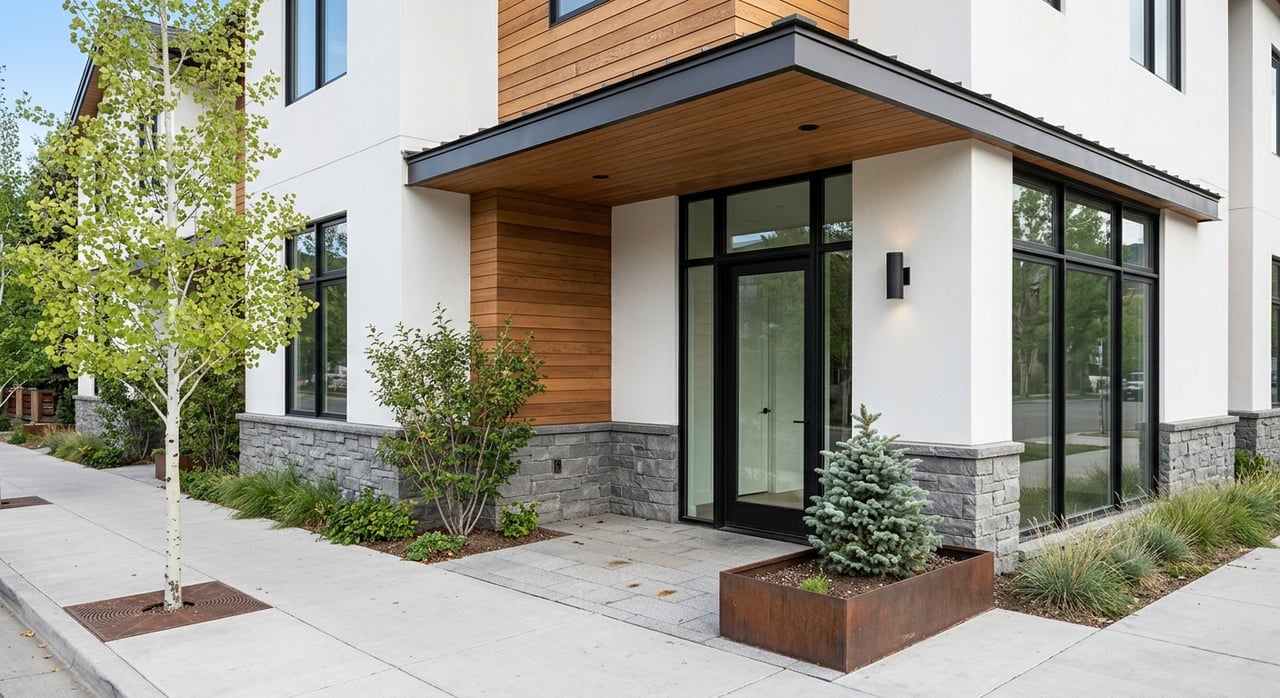
If Old Town feels organic and historic, Willits feels intentional and more recently shaped. It was planned as a mixed-use center, which shows up in the street layout, building form, and the way daily errands and services are organized.
Willits design and development pattern
Basalt’s master plan describes Willits as neo-traditional town planning with a grid, on-street parking, relatively large buildings on small lots, and structures up to three stories. The residential mix has included single-family homes, townhouses, and upper-floor condominium units.
The area also continues to evolve. The town notes a current 155-dwelling-unit phase that includes 109 market-rate condos and 46 deed-restricted affordable units, showing that Willits remains an active growth area within Basalt.
Willits lifestyle feel
Willits often appeals to buyers who want mixed-use convenience built into everyday life. The town describes the area as having a grocery anchor, restaurants, retail and service businesses, TACAW, parklets, and a performance stage.
That can make daily routines feel simple and efficient. If you value being able to run errands, meet friends, grab a meal, and access transit or trails without a lot of friction, Willits may feel like the more practical fit.
Historic Charm vs. Newer Construction
One of the clearest differences between these two areas is the built environment.
Old Town generally offers older and more varied housing stock in a setting where preservation and compatible infill are part of the town’s current approach. That can appeal to buyers who appreciate traditional scale, established streets, and homes with a stronger connection to Basalt’s original fabric.
Willits generally offers newer construction and a more planned residential mix. If your preference leans toward condos, townhomes, and mixed-use residences in a newer setting, Willits may offer more of what you are looking for.
Walkability, Parking, and Getting Around
Both areas are walkable, but they function differently.
Old Town movement and parking
Old Town is pedestrian-friendly, but it operates like a historic downtown. The town is currently enforcing two-hour parking in select Midland Avenue and Two Rivers Road areas to encourage turnover.
The ongoing Midland Avenue Streetscape Project is designed to improve sidewalks, ADA access, pedestrian flow, and the connection between historic downtown and Basalt River Park. For buyers, that suggests continued investment in the downtown experience, though parking management is part of the equation.
Willits movement and transit
Willits is designed for easier internal circulation. The town’s placemaking plan describes it as highly walkable, with wide walkways and plentiful parking opportunities, along with the RFTA bus rapid transit station on Highway 82.
Basalt also offers Basalt Connect, a free on-demand ride service between downtown Basalt and Willits. In addition, the Willits Lane Connectivity Plan is intended to improve safety and strengthen connections between Historic Basalt and Willits.
Dining, Errands, and Daily Convenience
Where you live often comes down to what your daily routine looks like.
In Old Town, the draw is the main-street experience. You are choosing a district centered on cafes, restaurants, local services, and a more intimate downtown environment.
In Willits, the draw is convenience at scale. You have a grocery-centered town center, dining options, service businesses, and community-oriented spaces designed to support regular day-to-day use.
If your ideal morning starts with a stroll through a historic district and a stop on Midland Avenue, Old Town may resonate more. If you value efficient errands and a mixed-use hub that keeps essentials close by, Willits may have the edge.
River Access vs. Trail Connectivity
Outdoor access is important in both parts of Basalt, but the experience is a little different.
Old Town benefits from its river-adjacent setting. Town planning materials note efforts to strengthen the pedestrian connection between downtown and the Roaring Fork River, and Midland Avenue’s commercial corridor reaches toward the Fryingpan River on the south side.
Willits offers strong trail-linked access. The town notes that the Willits Lane Trail connects users to the Roaring Fork River area, the Rio Grande Trail, and the Emma Trails. If you are focused on connected routes and easy trail access, that may be a meaningful advantage.
Which Area Fits Your Lifestyle?
There is no universal winner here. The better choice depends on what you want your home base to deliver.
Old Town may fit you better if you value:
- Historic character and an original-town setting
- Smaller-scale streets and older, varied housing stock
- A classic downtown feel with cafes, shops, and local events
- A river-adjacent environment with a more intimate atmosphere
Willits may fit you better if you value:
- Newer construction and mixed-use residential options
- Grocery, dining, and service convenience in one area
- Easier parking and wide, walkable internal routes
- Transit access and trail connections built into the district
A Simple Side-by-Side Comparison
| Feature | Old Town Basalt | Willits |
|---|---|---|
| Overall identity | Historic core and original township | Newer mixed-use west-side center |
| Streetscape | Small-scale, quaint, traditional | Planned, grid-based, mixed-use |
| Housing feel | Older, varied, more established | Newer condos, townhomes, mixed housing |
| Daily experience | Main-street charm | Convenience-oriented town center |
| Parking | Managed historic downtown parking | More plentiful parking opportunities |
| Outdoor access | River-adjacent setting | Trail-linked access to river and regional trails |
Final Thoughts on Old Town vs. Willits
When you compare Old Town Basalt vs. Willits, you are really comparing two very different lifestyles within the same town. Old Town offers heritage, intimacy, and a classic downtown rhythm. Willits offers convenience, newer mixed-use living, and a town-center layout built for easy daily movement.
If you are considering a purchase in Basalt, the right choice usually becomes clearer once you match the area to how you actually live, not just what looks appealing on paper. For tailored guidance on Basalt and the broader Roaring Fork Valley, connect with Stefan Peirson for a private consultation.
FAQs
What is the difference between Old Town Basalt and Willits?
- Old Town Basalt is the historic core of Basalt centered around Midland Avenue and the Hill District, while Willits is West Basalt’s newer mixed-use town center.
Is Old Town Basalt more walkable than Willits?
- Both areas are walkable, but Old Town functions like a historic downtown with managed parking, while Willits is designed with wide walkways, easier internal movement, and plentiful parking.
Does Willits have newer homes than Old Town Basalt?
- In general, yes. Willits includes newer mixed-use development with condos, townhomes, and other residential options, while Old Town has older and more varied housing stock.
Which Basalt area is better for dining and errands?
- Old Town offers a more intimate main-street dining and shopping experience, while Willits offers a convenience-focused mix with a grocery anchor, restaurants, retail, and services.
Which Basalt area has better outdoor access?
- Both offer outdoor access in different ways. Old Town is more directly tied to a river-adjacent setting, while Willits offers trail connections to the Roaring Fork River area, the Rio Grande Trail, and the Emma Trails.