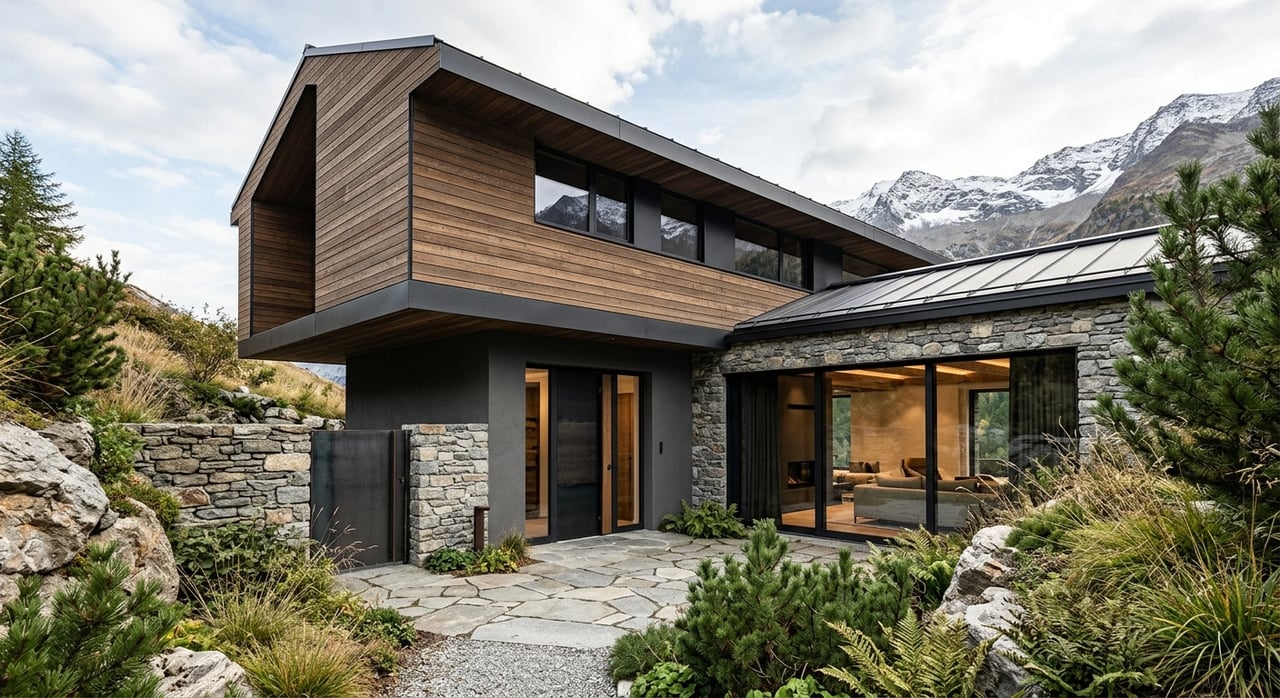
If you are planning a luxury development in Aspen, a presale launch is not just about getting units under contract early. It is about giving buyers confidence in a market where time, approvals, privacy, and product quality matter as much as price. In Aspen, buyers are often paying for certainty, not just a place in line. That is what makes a smart presale strategy so important. Let’s dive in.
Why Aspen presales require precision
Aspen is a supply-constrained luxury market with clear differences between price points and product types. Knight Frank reported that prime Aspen prices rose 9.7% over the 12 months through October 2024 and 73.5% since January 2020. At the same time, activity remained stronger below $10 million, while the $10 million to $30 million range showed more value sensitivity.
That matters because a presale program cannot rely on broad luxury-market assumptions. Buyers in Aspen are selective, and they respond to specific advantages like views, layout, service, privacy, and ease of use. A development that communicates those benefits clearly is in a stronger position than one that leans on generic exclusivity.
Aspen Board of REALTORS data from April 2026 also points to a market where patience and strategy matter. Single-family homes had a median sale price of $12.75 million, 276 days on market, 79 homes for sale, and 13.0 months of supply. Townhomes and condos posted a $3.4 million median, 199 days on market, 63 homes for sale, and 7.9 months of supply.
In simple terms, Aspen buyers are still active, but they are not rushing into every opportunity. They want quality, clarity, and confidence that a project will deliver what it promises.
Certainty is the real presale product
In many markets, presales are sold on early pricing alone. In Aspen, that approach is usually too narrow. The stronger pitch is certainty around an approved, well-designed, turnkey home in a place where design review, entitlement, and construction can take years.
That fits what today’s Aspen buyer is often looking for. When someone is purchasing in a high-value resort market, they may place a premium on immediate-use appeal, streamlined ownership, and a clear path to completion. The value is not just the residence itself. It is the reduced friction around getting there.
Pitkin County data helps explain this dynamic. The county reports that 68% of wealth comes from non-labor income, and the cost-of-living index is 220.4, or 95% above the rest of Colorado. This is not a wage-led market. It is a wealth-led market where time, convenience, and execution carry real value.
Start with the right release strategy
A phased release is often the most disciplined way to launch a luxury development in Aspen. Because the market is segmented, releasing every unit at once can limit your ability to respond to real demand.
A more effective approach is to bring the most defensible inventory to market first. That may mean the residences with the best views, the strongest floor plans, the most private positions, or the rarest layouts. Early buyer response can then help shape pricing and positioning for the next release.
This strategy creates room to adjust without signaling uncertainty. It also protects the long-term pricing story of the project. In a market where buyer preferences can shift over a four- to five-year development timeline, flexibility is a strength.
What to prioritize in an early release
- Best view corridors
- Most functional floor plans
- Residences with strongest privacy
- Rare bedroom counts or layouts
- Units with the clearest lifestyle story
Early releases should do more than generate contracts. They should help validate pricing, messaging, and buyer profile assumptions.
Price with discipline, not hype
Luxury pricing in Aspen still commands attention, but buyers have become more selective. Research in the luxury segment points to a market that remains strong while moving toward more balance, with more cash buyers and less willingness to compromise.
For a presale program, that means pricing should be justified by real value drivers. Design quality, service, privacy, finish level, brand alignment, and delivery certainty are far more credible than promises of future appreciation. Sophisticated buyers tend to respond better to substance than to sales pressure.
That is especially true in Aspen, where comparable options can differ widely by location, use case, and ownership experience. A strong pricing strategy should reflect what makes a residence hard to replace, not just where it sits in the project stack.
Know who the Aspen presale buyer is
The most likely buyer pool for Aspen luxury presales includes high-net-worth second-home buyers, seasonal residents, and international purchasers. These buyers are often looking for a residence that supports a certain way of living, with privacy, ease, and high-touch service at the center.
Pitkin County’s profile supports that view. The county notes that 43% of residents are over 50, and local wealth is heavily driven by non-labor income. This points to a buyer audience that is often less constrained by traditional financing pressures and more focused on fit, convenience, and long-term enjoyment.
International demand also deserves serious attention in a presale plan. The broader luxury market shows that foreign buyers are often more likely to purchase upper-end homes and to pay cash. In practical terms, that means your sales process should be clean, organized, and easy to navigate from a distance.
Messaging that resonates with luxury buyers
In Aspen, presale marketing should center on the ownership experience. Buyers are often drawn to a mix of privacy, wellness, service, and local credibility.
That can include messaging around:
- Private arrival and owner privacy
- Concierge-style services
- Wellness-oriented features and programming
- Dedicated amenities for residents
- Turnkey convenience
- Trusted local execution
This is generally more effective than relying on trophy-home language alone. Buyers want a compelling lifestyle proposition, but they also want confidence that it is grounded in reality.
Branded and service-led concepts need balance
Luxury buyers continue to show interest in residences that pair services with privacy. Research indicates growing appeal for standalone residential concepts that offer a strong service environment without requiring owners to share space with hotel guests.
That trend matters for Aspen. If a development includes a hospitality or branded component, the positioning should make clear how the service experience improves ownership while preserving exclusivity and discretion. Buyers may value prestige, but they also want a calm and private day-to-day environment.
This is one reason presale strategy should be tied closely to the actual ownership model. The story has to match the finished experience. If the project promises privacy, service, and seamless use, those features need to be visible in planning, operations, and buyer communications from the start.
Time the launch around approvals
In Aspen, the local approval path should shape the presale calendar. The city’s development review process generally begins with a pre-application letter, followed by case planning, possible public notice and hearing, a recorded entitlement, and then building permit submission. The city also notes that most exterior work requires design review.
That sequence is not a detail. It is a core strategic issue. Buyers at this price point will want to understand where a project stands in the approval process, and they are more likely to engage when key milestones are already in place.
Aspen’s December 2025 permit dashboard listed new major residential permits at roughly 16 to 18 weeks for round-one review. That timeline should be accounted for early. A launch that gets ahead of entitlement or permitting clarity can create friction that is difficult to unwind later.
Approval milestones that matter most
- Pre-application and planning progress
- Design review status
- Public notice or hearing requirements
- Recorded entitlement
- Building permit submission timing
- Plat review if subdivision or condominium structure applies
A well-run presale campaign should use these milestones to support buyer confidence, not treat them as back-office details.
Get state and local compliance aligned
Colorado registration rules may apply before sales activity begins. According to the Colorado Division of Real Estate, certain subdivisions and developers must register before selling, leasing, transferring, or even negotiating to sell or lease part of a subdivision. Condo conversions and cooperative condo structures may also trigger registration requirements.
At the local level, Aspen engineering review may also apply when a project includes lot splits, subdivision amendments, or condominium plat issues. This is why state and city review paths should be looked at together. Waiting too long to coordinate them can slow momentum at the exact moment a project needs clarity.
For developers, this is not just a legal checkpoint. It affects how and when a project can be presented to buyers in a credible, low-friction way.
Be careful with rental messaging
Rental potential can be attractive to some buyers, but Aspen presale materials need to describe it carefully. The city’s short-term rental rules distinguish between Lodging Exempt, Owner-Occupied, and Classic permits, and each category has different limits.
For example, Owner-Occupied permits are limited to 120 rental nights per year. Classic permits do not have an annual night limit, but they can be capped in certain residential zones and may face waitlists. Individual condo-hotel unit owners are not eligible for Lodging Exempt permits.
The key takeaway is simple. A presale campaign should not imply unrestricted short-term rental use unless the project’s legal structure and permit path clearly support it. Conservative, accurate messaging protects credibility and helps buyers make informed decisions.
Build schedule risk into the story
Construction timelines in Aspen require careful planning, and regulatory updates can affect delivery. One current factor is the Colorado Wildfire Resiliency Code, which Aspen announced took effect on April 23, 2026 for building permits submitted after that date.
If a development is still in entitlement or preconstruction, that code should be reflected in both scheduling and buyer communication. Sophisticated buyers understand that high-quality mountain construction involves evolving requirements. What matters is whether the development team has accounted for them responsibly.
A calm, well-documented disclosure approach often builds more confidence than overly polished sales language. In Aspen, buyers tend to appreciate clarity.
What a strong Aspen presale thesis looks like
The most compelling presale strategy in Aspen is usually not the loudest one. It is a strategy built around scarcity, approvals, privacy, service, and disciplined execution.
That means presenting a project as an approved or clearly advancing opportunity with strong design, a believable service model, and careful messaging around timing and use. It also means matching release strategy and pricing to actual market response instead of forcing a one-size-fits-all plan.
For developer clients, this kind of structure can help protect pricing and support absorption over time. For buyers, it creates the confidence that they are purchasing into a thoughtfully managed project in one of the country’s most complex and valuable resort markets.
In Aspen, presales work best when they reduce uncertainty. That is where experience, local knowledge, and measured execution make the difference. If you are evaluating a luxury development launch or looking for a more strategic presale approach in Aspen or the Roaring Fork Valley, Stefan Peirson offers discreet, senior-level guidance shaped by decades of local market experience and developer-sales leadership.
FAQs
What makes a presale strategy different in Aspen luxury developments?
- Aspen presales require more emphasis on approvals, privacy, service, and delivery certainty because buyers are often paying for a scarce, well-executed product rather than speculative early access alone.
Why is a phased release useful for Aspen presale projects?
- A phased release lets a developer test real buyer demand, protect pricing flexibility, and bring the most defensible residences to market first.
What buyer groups are most relevant for Aspen luxury presales?
- The primary audience often includes high-net-worth second-home buyers, seasonal residents, and international purchasers seeking privacy, convenience, and a strong ownership experience.
How should Aspen developers talk about rental potential in presale marketing?
- Rental language should stay conservative and accurate because Aspen short-term rental rules vary by permit type and do not support broad claims unless the project structure clearly allows them.
Why do entitlement and permit timing matter in Aspen presales?
- Buyers in Aspen want confidence in the path to completion, so development review milestones, design review status, and building permit timing can directly affect trust and launch success.
How can developers position a luxury Aspen project more effectively?
- The strongest positioning usually highlights design quality, privacy, service, local credibility, and execution discipline instead of relying mainly on appreciation claims or generic luxury messaging.