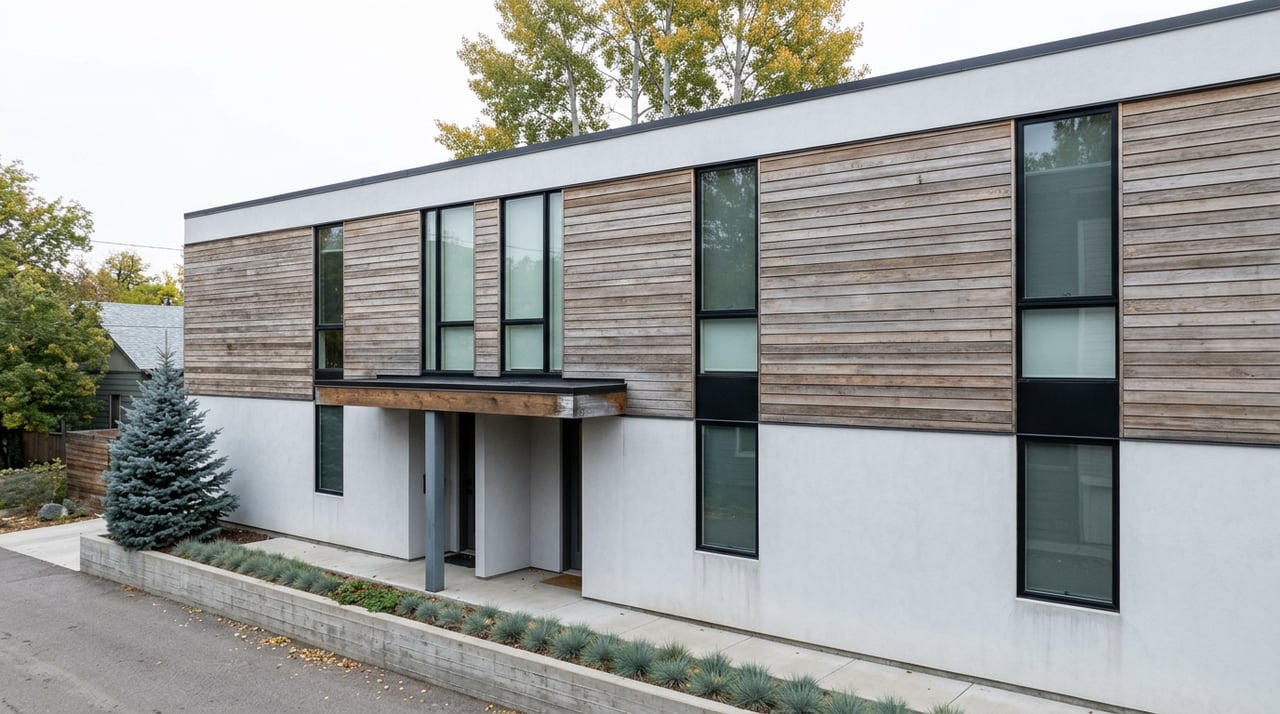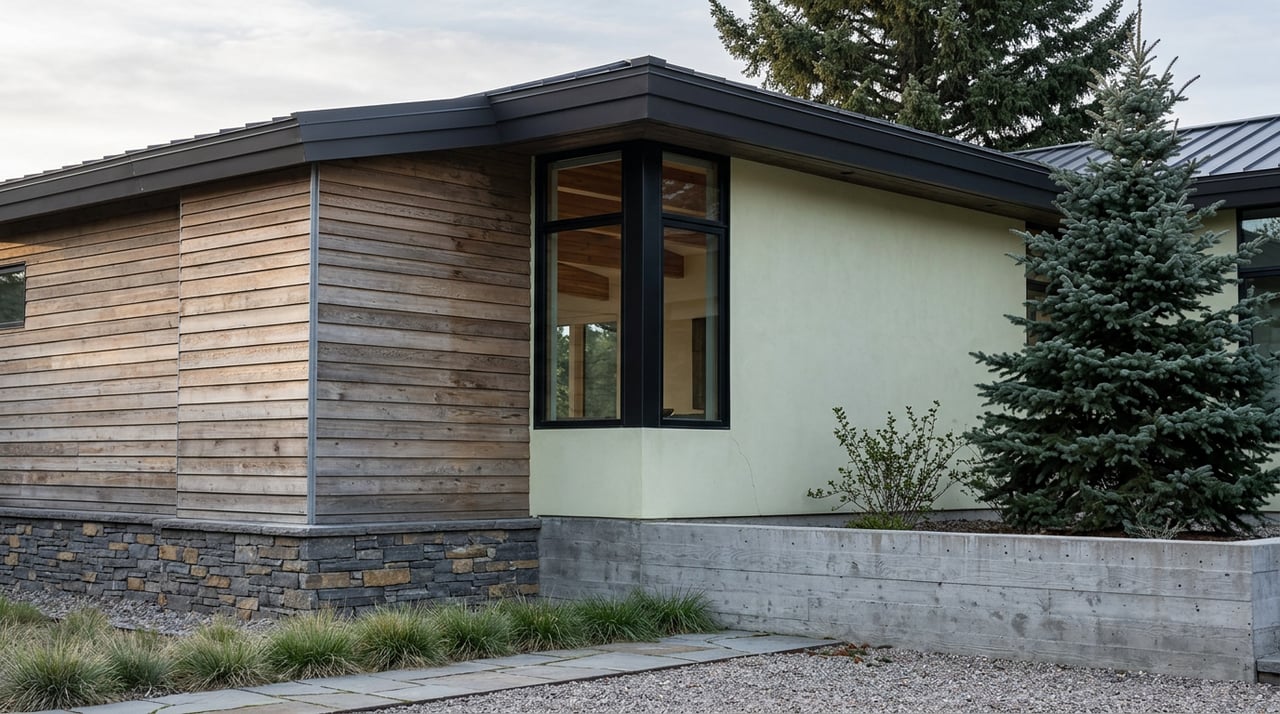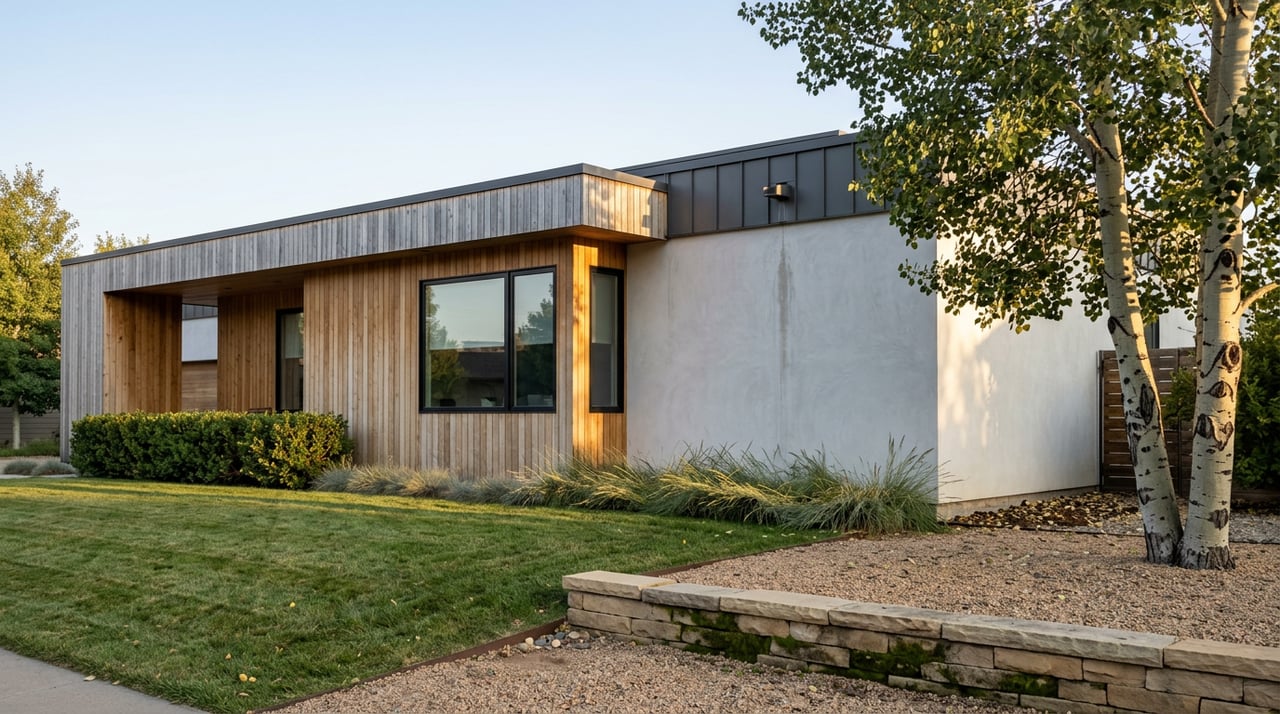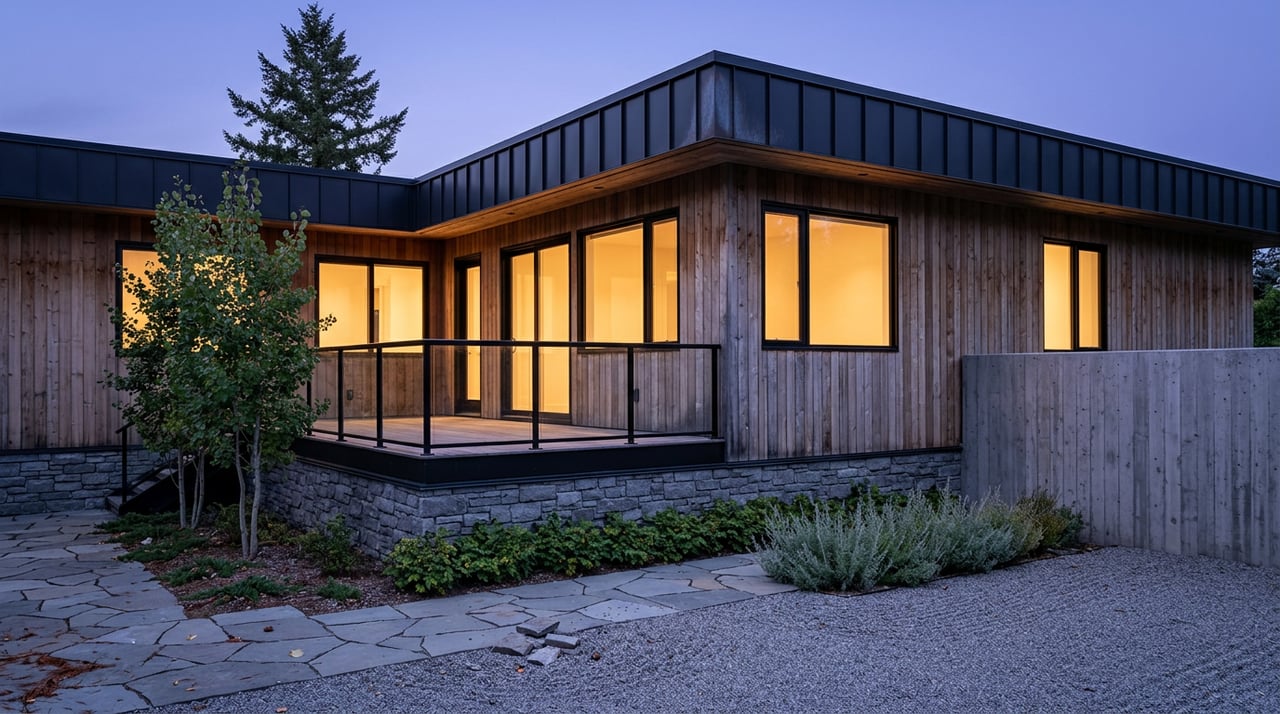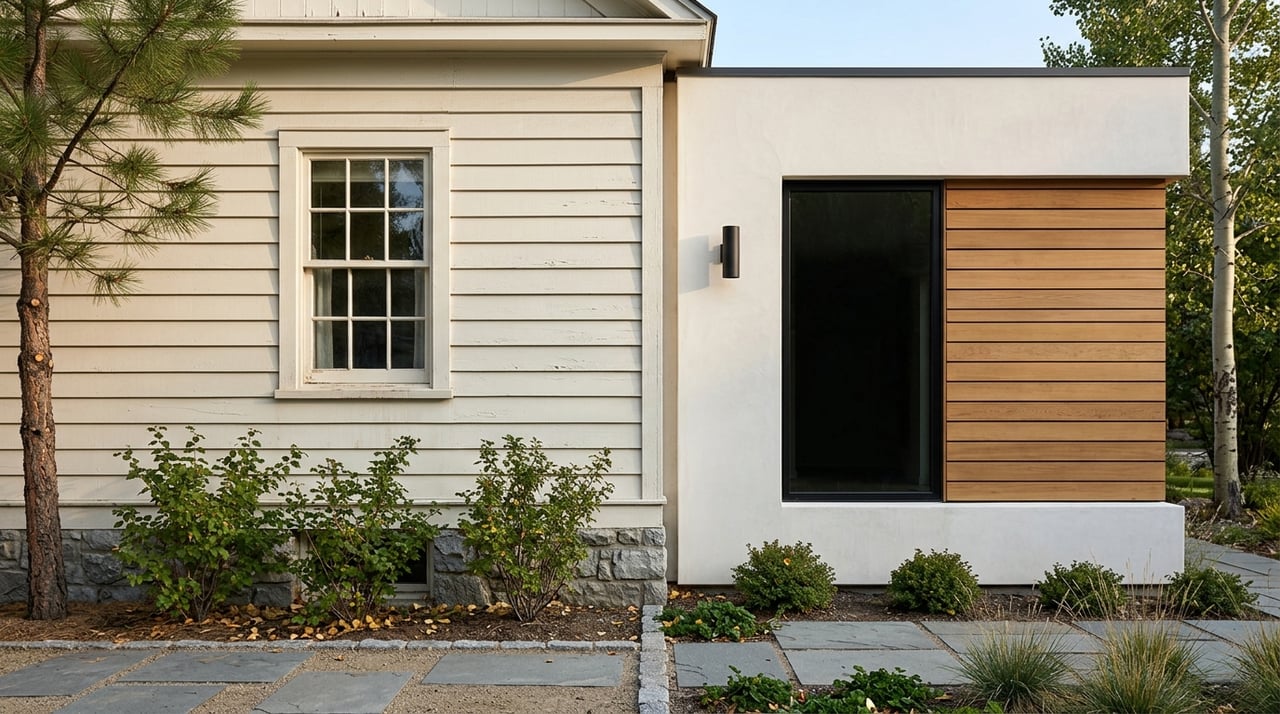
Choosing between a new build and a historic home in Carbondale is rarely just about age. In this market, you are often weighing turnkey efficiency and predictability against character, location, and a stronger sense of place. If you are trying to decide which path fits your lifestyle, budget, and long-term goals, the key is to look beyond finishes and focus on how each option performs in real life. Let’s dive in.
Carbondale housing starts with scarcity
Carbondale’s housing stock is older than many buyers expect. The town’s comprehensive plan says 57% of housing was built before 1979, which helps explain why older homes are such a big part of the local conversation.
At the same time, newer inventory is shaped by limited land and a push toward infill. The town says there is little vacant land in town, with roughly 140 to 145 platted vacant parcels in River Valley Ranch, and it expects about 400 to 450 new housing units over the next decade. That means your decision is often less about old versus new in the abstract and more about product type, location, and availability.
Another important detail is that since 2000, 72% of housing built has been multifamily, while only 37% of all housing stock is single-family detached. In practical terms, a buyer comparing options in Carbondale may be choosing between an older detached home with established character and a newer attached or planned-community property with more modern systems.
With Zillow placing the average Carbondale home value at about $1.415 million, tradeoffs matter. Renovation risk, HOA costs, maintenance, and efficiency can all affect your monthly costs and your comfort with the purchase.
Why buyers choose new builds
New builds usually appeal to buyers who want simplicity. If you prefer a home that feels move-in ready, with newer systems and fewer immediate projects, a newer property can offer peace of mind.
One major advantage is energy performance. ENERGY STAR says certified homes are independently verified and are at least 10% more energy efficient than homes built to code, with about a 20% average improvement. For you, that can mean lower utility costs and a more comfortable home year-round.
Newer homes also tend to come with warranty protection. The FTC says many newly built homes include builder warranty coverage, often with one year for workmanship and materials, two years for HVAC, plumbing, and electrical systems, and up to 10 years for major structural defects. That does not remove all risk, but it can make the first years of ownership more predictable.
New builds may bring more rules
In Carbondale, newer neighborhoods often come with HOA or covenant structures. The town’s housing guidelines count HOA dues as part of total housing expense, and local permit guidance notes that some subdivisions require HOA approval before certain work can be permitted.
That means you should look closely at more than the home itself. Before you make an offer, review:
- HOA dues
- CC&Rs and use restrictions
- Rental rules
- Reserve policies
- Budget and financial health of the association
- Design review requirements for future updates
For many buyers, these rules are a fair trade for consistency and lower short-term maintenance. For others, they can feel restrictive, especially if you value flexibility.
Why buyers choose historic or older homes
Older homes in Carbondale often win on feel. The town describes Old Town as its oldest residential neighborhood, with sidewalks, trees, modest front yards, and homes placed closer to the street. The comprehensive plan also notes that historic areas support a traditional street grid and compact blocks, which gives these parts of town a distinct rhythm and identity.
If your priority is a home with personality and an established in-town setting, an older property may be the better fit. In many cases, the appeal is not just the house itself. It is the block, the streetscape, and the overall experience of being in a more established part of town.
That said, older homes usually come with more renovation exposure. The U.S. Department of Energy notes that many older homes have less insulation than homes built today. The EPA also says homes built before 1978 are more likely to contain lead-based paint, and renovation work in those homes can create lead dust and may require lead-safe certified contractors.
Older homes need deeper due diligence
In a town where much of the housing stock predates 1979, these issues should be treated as normal due diligence. A charming older home can be a strong long-term choice, but you want a clear picture of likely updates before you commit.
You should pay close attention to:
- Insulation and energy performance
- Window condition
- Roof age and condition
- Electrical, plumbing, and mechanical systems
- Presence of materials that may require specialized handling during renovation
- Drainage and lot-specific maintenance concerns
Permitting matters too. Carbondale’s permit application materials say separate permits are required for building, electrical, plumbing, and mechanical work. Local roof-permit guidance also notes that some subdivisions require HOA approval letters as part of the package. Even a fairly straightforward project can become a multi-step process once permitting and contractor coordination are involved.
Location and setting can matter more than age
One of the most useful ways to think about Carbondale is this: new builds often optimize for predictability, while older homes often optimize for character and location. In a market with limited vacant land and continued housing demand, both can hold strong appeal, but for different reasons.
A newer home may earn its value from turnkey condition, efficiency, and lower short-term renovation friction. An older home may earn its value from an irreplaceable in-town setting, established streetscape, and architectural character.
There is another local nuance to keep in mind. The town’s plan says some older neighborhoods do not have the same design standards, which can leave them more exposed to incompatible new projects nearby. If preserving the look and feel of your immediate surroundings matters to you, evaluate not just the house but the development context around it.
A practical framework for choosing
If you are deciding between a new build and a historic home, it helps to start with your priorities rather than the marketing photos. Ask yourself what kind of ownership experience you want over the next five to ten years.
Choose a new build if you value:
- Lower short-term maintenance risk
- Better energy efficiency
- Builder-backed warranty coverage
- More predictable ownership costs in the early years
- A move-in ready experience
Choose a historic or older home if you value:
- Established in-town location
- Architectural character and streetscape appeal
- A traditional block pattern and neighborhood feel
- The opportunity to personalize over time
- A property with a stronger sense of place
For many buyers, the right answer comes down to tolerance for projects. If you want convenience and fewer unknowns, newer construction is often the safer fit. If you are comfortable with more due diligence and possible upgrades, an older home may offer qualities that are hard to recreate.
Do not ignore site risk
No matter which style you prefer, site risk should be part of your review. Garfield County’s hazard profile for Carbondale includes wildfire, landslide, mud and debris flow, flood, severe wind, drought, and severe winter weather.
That means the lot and setting deserve as much attention as the house itself. During your evaluation, pay close attention to:
- Drainage patterns
- Roof condition
- Defensible space
- Access during winter weather
- Slope exposure and surrounding terrain
A beautiful home on a challenging site can create costs and complications that are easy to underestimate. In Carbondale, age matters, but the property’s setting matters too.
The best choice is the one that fits your life
In Carbondale, there is no universal winner between new builds and historic homes. The better option is the one that aligns with how you want to live, how much complexity you are willing to manage, and what you value most in a property.
If you want a calmer ownership experience with modern performance, a new build may serve you well. If you are drawn to established streets, older architecture, and a more rooted in-town feel, a historic or older home may be worth the added diligence.
A thoughtful purchase in this market starts with clear priorities, careful property review, and local context. If you are weighing options in Carbondale and want a measured, private-office perspective, Stefan Peirson can help you compare properties with clarity and confidence.
FAQs
What is the main difference between new builds and historic homes in Carbondale?
- In Carbondale, new builds usually offer better efficiency, newer systems, and more predictable early ownership, while historic or older homes often offer stronger character, more established in-town locations, and a distinct streetscape.
Are older homes common in Carbondale?
- Yes. Carbondale’s comprehensive plan says 57% of housing was built before 1979, so older homes are a major part of the local housing stock.
What should you review before buying a new build in Carbondale?
- You should review HOA dues, CC&Rs, rental rules, reserve policies, association budgets, and any design review requirements, since newer neighborhoods often have covenant or HOA structures.
What should you inspect before buying an older home in Carbondale?
- You should look closely at insulation, windows, roof condition, major systems, drainage, and any materials or conditions that could affect renovation scope, cost, or permitting.
Do older homes in Carbondale require more renovation planning?
- Yes. Carbondale permit materials show that separate permits may be required for building, electrical, plumbing, and mechanical work, so even modest upgrades can involve multiple steps.
How important is location when choosing between a new build and a historic home in Carbondale?
- Location is extremely important because Carbondale has limited vacant land, continued housing demand, and established areas with a distinct sense of place, which can make setting and product type just as important as the home’s age.
Should site risk affect your home choice in Carbondale?
- Yes. Garfield County identifies hazards including wildfire, flood, landslide, mud and debris flow, severe wind, drought, and severe winter weather, so you should evaluate the lot and setting carefully regardless of whether the home is new or old.