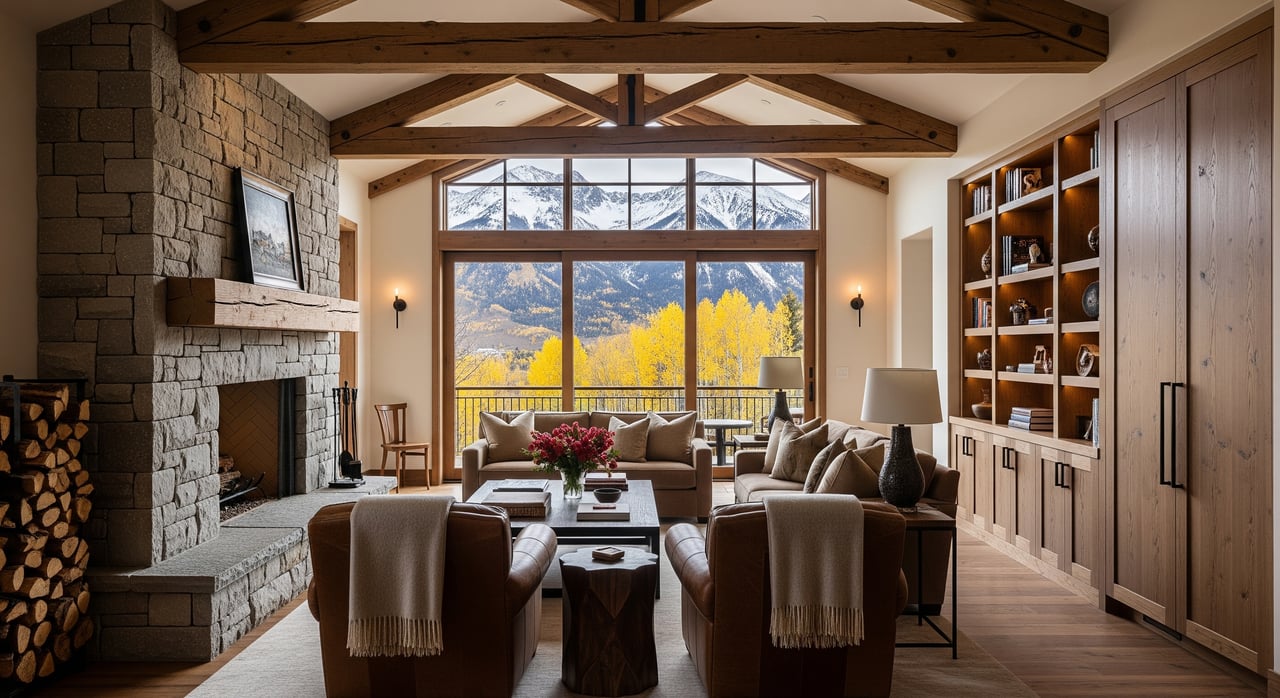
Is your Aspen deal riding on the appraisal? In a luxury market where views, ski access, and privacy can swing prices by millions, you need to understand how value is determined. Whether you are buying, selling, or refinancing, a clear plan helps you avoid surprises and keep your timeline on track. In this guide, you will learn how appraisals work in Aspen, which factors move the needle most, and what to do to support a reliable outcome. Let’s dive in.
What an Aspen luxury appraisal includes
The standards and who sets them
Your appraiser must follow national standards in USPAP and hold a Colorado license that fits the assignment. Lenders often add their own requirements for report format and documentation. Public records, including the Pitkin County Assessor, support sales verification, legal descriptions, taxes, and easements.
Report types you may see
- Standard residential report (URAR/1004) for most financed single-family homes. High-value or complex homes may include narrative supplements.
- Narrative or private reports for unique properties, estate needs, or non-standard financing.
- Desktop or drive-by reports are usually not enough for Aspen luxury homes because of complexity. Lenders typically require a full inspection by a qualified appraiser.
Appraiser qualifications that matter
Colorado recognizes Licensed Residential, Certified Residential, and Certified General credentials. For complex, high-value properties, lenders often prefer a Certified General appraiser. Beyond the license, experience with Aspen’s submarkets and luxury amenities is critical for accurate adjustments.
How value is determined
Sales Comparison Approach
For Aspen luxury homes, the Sales Comparison Approach is the primary method. The appraiser selects the most comparable recent sales, then makes adjustments for differences in location, view, size, condition, and amenities. Because Aspen has limited high-end sales, the appraiser may expand the search area or timeframe and rely on strong market judgment.
Cost and Income approaches
The Cost Approach can help test reasonableness, especially for newer construction, but it is rarely the sole basis for market value. The Income Approach can support value when there is meaningful rental history or strong short-term rental potential. In Aspen, these are usually corroborating tools that support the sales comparison.
Reconciliation to a final value
After weighing all approaches, the appraiser reconciles to a final opinion of value. The report explains which approach carried more weight and why, based on the strength of the market evidence.
Selecting comps when sales are scarce
Submarkets and micro-locations
Comps may come from multiple submarkets, such as Aspen Mountain, Red Mountain, Woody Creek, or Snowmass, when nearby sales are limited. The appraiser adjusts for micro-location differences like proximity to lifts, downtown access, ridge positions, sun exposure, and privacy. These location premiums are often significant.
Time adjustments and private transfers
Rapid market shifts or seasonal patterns can require time adjustments. Many luxury transfers are cash, off-market, or involve concessions, so the appraiser verifies whether the sale reflects market value. Non-arm’s-length sales may be adjusted or excluded based on verification.
What drives value in Aspen luxury homes
- View quality and permanence. Unobstructed mountain or protected open-space views typically carry higher premiums than partial or future-obstructable views.
- Ski access and proximity. True ski-in or ski-out, or short access to lifts and gondolas, is treated as a major location amenity with market-supported premiums.
- Privacy, acreage, and topography. Usable land, setbacks, slopes, and conservation or access constraints can raise or limit value.
- Construction quality and amenities. Guest houses, pools, elevators, smart-home systems, specialty mechanicals, and high-end finishes are adjusted using cost and market evidence.
- Condition and renovations. Documented upgrades, permits, and professional photos help quantify effective age and condition differences.
- Unique features. Highly specialized items add value only if buyers in this market will pay for them, often capped by replacement cost.
How to prepare for a smooth appraisal
If you are selling
- Share recent comparable sales you and your agent used, and explain why they are relevant.
- Assemble a detailed upgrade list with dates, contractor names, receipts, and permits.
- Provide floor plans, a site plan or survey, HOA documents if applicable, and professional photos or drone imagery that show views and access.
- Include rental income history and management agreements if the home has been rented. Add maintenance records and recent inspections.
If you are buying
- Coordinate with your lender early to confirm appraiser selection standards and report type.
- Understand that a qualified local appraiser and full inspection are standard for high-value properties.
- Plan for longer timelines on complex homes. Be ready to supply additional documents if the lender requests clarification.
What to expect from the process
- The appraiser will inspect the interior and exterior, verify measurements, assess condition, and photograph key features.
- The analysis will include comparable sales, market trends, and adjustments for differences.
- The lender may request a reinspection or a supplemental narrative if the file is complex or if underwriting needs more detail.
When the appraised value is below contract
Your options
- Renegotiate price or credits based on the appraisal.
- Increase your cash down payment if loan-to-value is the issue.
- Ask the lender about a reconsideration of value if you have better comparables or documentation.
- Seek a second opinion or desk review if allowed by the lender.
- Explore jumbo or portfolio loan options if conventional guidelines prove too rigid for the property.
Local factors that can change value
- Proximity premiums. Close-in locations near Aspen Mountain and downtown often see higher price support.
- Public land interface. Views backed by protected open space can be more durable, while potential obstructions reduce certainty.
- Environmental considerations. Avalanche paths, floodplains, or wildfire risk may require mitigation and can affect marketability.
- Development constraints. Conservation easements, mineral rights, and historic designations can shape highest and best use.
- Market dynamics. Aspen’s cash-heavy transactions and global buyer base can shift values quickly, so appraisers rely on the most recent local evidence.
Smart questions to ask
- What license level and local luxury experience does the appraiser have for this assignment?
- Which submarkets and sales did you consider most comparable, and why?
- How did you support view, ski access, and time adjustments in this report?
- Which approach carried the most weight in the reconciliation, and why?
- If comparable data were limited, what alternative methods did you use to test value?
Work with a trusted local advisor
In Aspen’s luxury segment, a great appraisal is built on great preparation. When you organize documentation, align on comps, and set expectations early, you reduce risk and keep negotiations calm and focused. If you want discreet guidance on pricing, documentation, or strategy before your appraisal, connect with Stefan Peirson for a private consultation.
FAQs
How do luxury appraisals in Aspen differ from typical homes?
- They rely more on judgment and narrative support because comparable sales are fewer and amenities vary widely, so the analysis is deeper and more qualitative.
Which appraisal approach usually matters most in Aspen?
- The Sales Comparison Approach is primary, with cost and income approaches used as checks when relevant.
Who picks the appraiser for my loan in Aspen?
- The lender selects the appraiser under appraisal independence rules, and many lenders require luxury experience and higher license levels for complex properties.
Can off-market or private sales be used as comps?
- Yes, if the appraiser verifies that terms reflect market value. Otherwise, such sales may be adjusted or excluded.
How can I help the appraiser value my renovations accurately?
- Provide itemized upgrade lists, dates, contractor details, permits, receipts, floor plans, and professional photos to support condition and quality adjustments.