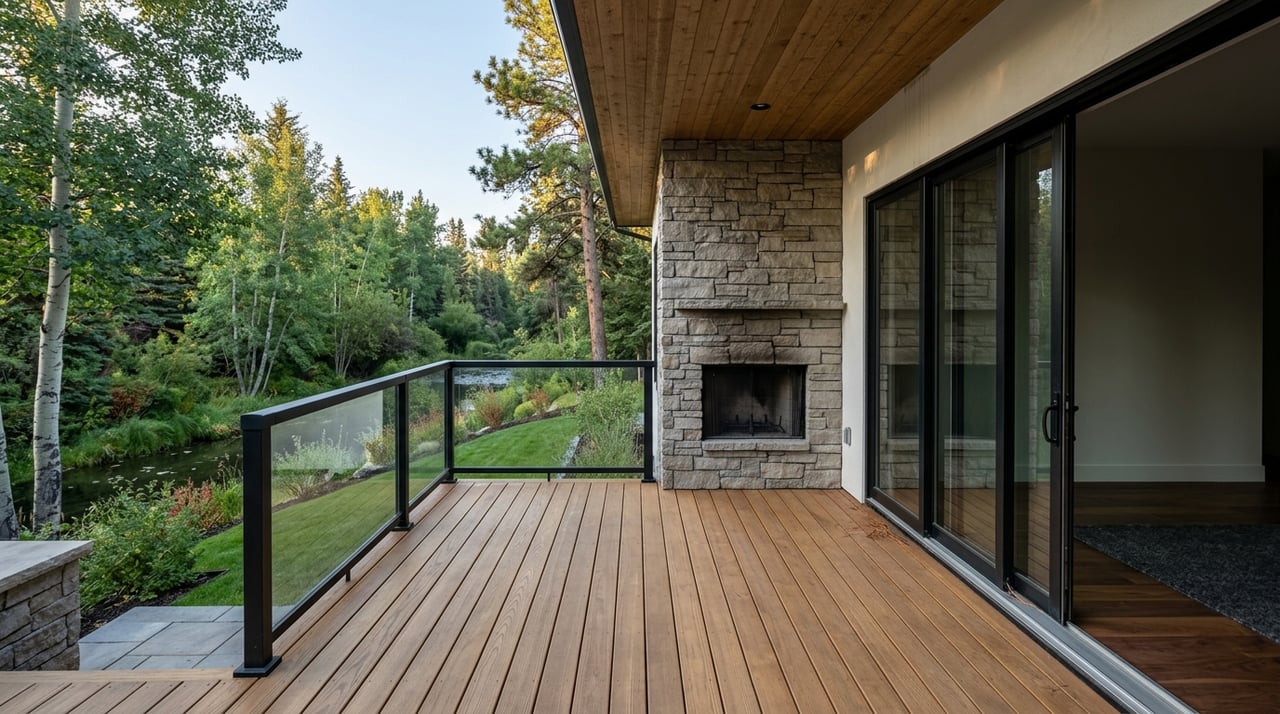
If you are selling a luxury home in Carbondale, pricing it like a typical home can cost you time, leverage, and serious buyer interest. This is a small, highly specific market where a river setting, Mt. Sopris views, privacy, or usable acreage can shift value far more than a townwide average suggests. When you understand how Carbondale’s high-end segment really works, you can price with more confidence and position your home more effectively from day one. Let’s dive in.
Why Carbondale luxury pricing is different
Carbondale is a small market by both population and geography. The U.S. Census estimates 6,758 residents as of July 1, 2025, and the town covers just 2.02 square miles. That small scale matters because the upper-end housing segment is a niche within an already limited market.
Broad numbers can offer context, but they should not drive your asking price. The Census reports Carbondale’s median owner-occupied home value at $900,600, compared with $527,800 in Garfield County. That gap is a reminder that Carbondale operates differently, and its luxury homes operate differently still.
Local sales data reinforces that point. According to the GSAR April 2026 update, Carbondale had 58 active single-family listings, 32 single-family sales year to date, a year-to-date single-family median sale price of $1.70 million, 173 days on market, and 5.1 months of supply. In a market this small, even a few sales can move the median in a big way.
Why median price is not enough
If you are selling a high-end home, the median can be useful background, but it is not a pricing formula. Carbondale’s year-to-date single-family median moved from $1.25 million in January 2026 to $1.265 million in February, $1.499 million in March, and $1.70 million in April. During that same stretch, sold listings only rose from 7 to 13 to 19 to 32.
That kind of movement shows how quickly averages can change when the sample is small. In practical terms, your home should be priced from a carefully built comp set, not from one headline number. A scenic estate, a river-adjacent property, or a private acreage offering needs its own valuation story.
How to read comps in Carbondale’s high-end market
The strongest pricing strategy starts with like-for-like comparisons. That means looking at homes with a similar property type, setting, view quality, lot utility, condition, and level of privacy. In a market with limited transactions, these details matter more than broad averages.
For example, a luxury home near the river or with a direct Mt. Sopris view should not be grouped with a more typical in-town property just because the bedroom count is similar. Buyers in this segment often respond to setting first and finishes second. Your pricing needs to reflect what actually drives interest.
When direct luxury comps are limited, it is often smarter to widen the search window or geography slightly and then make clear adjustments. That approach is usually more reliable than anchoring to one weak comparison. In Carbondale, thin data means every adjustment should be intentional and well supported.
Features that deserve separate adjustments
Certain property traits should be evaluated on their own rather than folded into a simple price-per-square-foot number. These often include:
- River frontage or close river proximity
- Direct mountain or valley views
- High levels of privacy
- Guest quarters or separate living space
- Acreage and usable outdoor land
- Significant recent renovations or exceptional condition
In a small luxury market, one standout feature can move value meaningfully. That is why pricing should be built feature by feature, not just averaged from a few broad comps.
River, view, and privacy premiums
Carbondale’s setting is a major reason buyers are drawn to the area. The town describes itself at the base of Mt. Sopris in a valley shaped by the confluence of the Crystal and Roaring Fork Rivers, and local tourism materials emphasize the area’s river and fishing appeal. For luxury properties, that setting can create real pricing premiums.
Still, not every scenic element carries the same value. A filtered view is different from a protected view corridor. A home near the river may offer strong lifestyle appeal, but that does not automatically mean every buyer will assign the same premium.
Privacy also matters, especially in the high-end segment. In a town with a small footprint, usable separation from neighbors and roadways can be hard to replicate. That scarcity can support value when the privacy is clear, functional, and supported by the comp set.
River proximity also needs risk pricing
A river setting can be a major asset, but it should be priced with care. Colorado’s Division of Real Estate notes that flood disclosures appear in the seller property disclosure form and points consumers to flood-map tools. That means the pricing conversation should separate the lifestyle premium from any potential discount tied to floodplain status, insurance considerations, or maintenance exposure.
This is especially important in Carbondale, where river access and scenery can be central to a home’s appeal. A well-priced listing acknowledges both the benefit and the due diligence. That creates a more credible price story for buyers and reduces the chance of friction later in the transaction.
Why acreage is not just acreage
In Carbondale, land value is rarely as simple as lot size alone. Because the town covers only 2.02 square miles, larger parcels and highly usable land are relatively scarce. As a result, the market often values usability and privacy more than raw acreage on paper.
A flat, functional parcel with room for outdoor living may command a different response than a larger parcel with limited utility. The same is true for land that protects views or creates a stronger sense of retreat. If your home includes acreage, that part of the valuation should be considered separately from the residence itself.
Luxury homes may need more market time
One of the biggest pricing mistakes is assuming a high-end home will sell quickly if it simply debuts with strong photos and broad exposure. Carbondale’s local data shows that single-family days on market were 202 in January 2026, 202 in February, 186 in March, and 173 in April. That is a meaningful amount of time, especially for sellers expecting an immediate response.
This does not mean the market is weak. It means luxury pricing should be durable enough to hold up over a longer marketing period. A rushed price reduction strategy can weaken your negotiating position, while a thoughtful launch can help you stay ahead of that pressure.
Timing your launch in Carbondale
If you have flexibility, spring appears to be the clearest launch window in the current data. Realtor.com research for 2026 identified April 12 through 18 as the best week to list nationally, with homes receiving 16.7% more views than the average week and selling about nine days faster. While Carbondale has its own local rhythm, the seasonal pattern still matters.
GSAR data shows that new single-family listings in Carbondale rose from 5 in January 2026 to 9 in February, 21 in March, and 19 in April. That pattern suggests spring is when local inventory and buyer attention begin to build. For a high-end property, that often means your preparation should happen before the market becomes more active.
What to finish before launch
A strong luxury debut usually requires more than just putting the home online. Before you list, it helps to have:
- A comp-backed pricing strategy
- Photography and visual marketing ready
- Staging or presentation details finalized
- Seller disclosures prepared
- A clear explanation of premium features and any risk factors
In a small market, your first impression carries extra weight. Buyers may have very few comparable options to review, so your home needs to enter the market fully prepared.
A smarter pricing mindset for Carbondale sellers
The goal is not simply to choose a number that feels aspirational. The goal is to build a pricing strategy that buyers can understand and that the market can support. In Carbondale’s upper tier, that usually means pricing from a tight comp analysis, separating premium features from general market noise, and launching with discipline.
That process is especially important when your home offers qualities that are hard to duplicate. A river setting, view corridor, private acreage, or guest space can absolutely support a premium, but only when that premium is documented and defended clearly. In a market as nuanced as Carbondale, precision is often what creates the best result.
If you are considering a sale and want a measured, data-driven approach to pricing and presentation, Stefan Peirson offers private, concierge-level guidance for luxury properties across the Roaring Fork Valley.
FAQs
Should you price a Carbondale luxury home from the town median?
- No. The town median can provide general context, but a luxury home should be priced from the most comparable recent sales and active competition.
Does river proximity always increase a Carbondale home’s value?
- Not always. River proximity can add lifestyle appeal, but floodplain status, insurance considerations, and maintenance exposure can offset part of that premium.
How should acreage affect pricing for a Carbondale high-end home?
- Acreage should usually be adjusted separately from the house itself, especially when the land adds privacy, usable outdoor space, or a protected setting.
When is the best time to list a luxury home in Carbondale?
- Spring appears to be the strongest window in current data, with local new listings rising in March and April and national 2026 research pointing to mid-April as a high-attention period.
Why do Carbondale luxury homes sometimes take longer to sell?
- Local 2026 data shows relatively long days on market for single-family homes, which reflects the small sample size and the need for careful, comp-supported pricing in the upper tier.