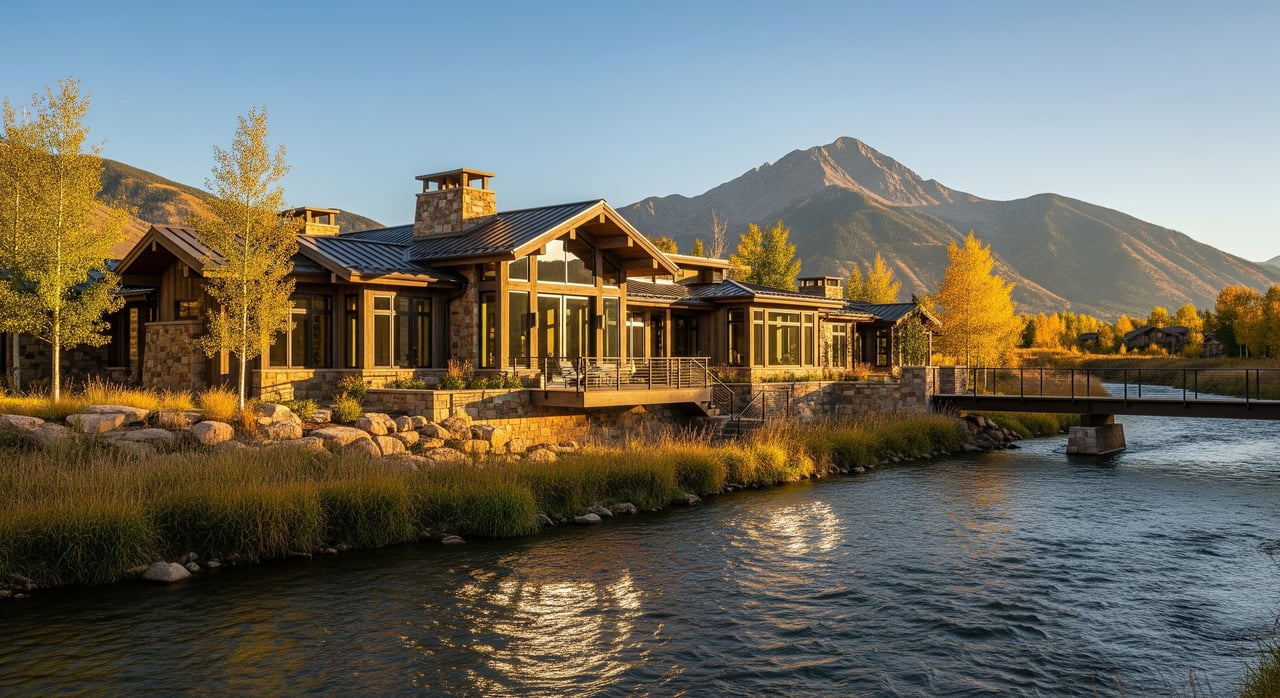
Thinking about selling your riverfront home in Carbondale? River frontage is a rare asset, but it comes with disclosure duties that can shape your price, timeline, and negotiation. If you prepare the right documents and address water-related issues up front, you set yourself up for a smoother closing and stronger buyer confidence. This guide shows you what to disclose, why it matters, and how to get ready before you list. Let’s dive in.
Colorado seller disclosures at a glance
Colorado requires you to disclose known material facts about your property. Most sellers use the Commission-approved Seller’s Property Disclosure form, which is available through the Colorado Division of Real Estate. Completing the form does not replace your duty to share other material facts you know about. You can review the state’s forms and guidance on the Division of Real Estate site at the page for Real Estate Broker Contracts and Forms.
Recent state updates added specific items that show up in contracts and disclosures, such as radon information and oil and gas activity notices. You can read the statutory requirements in Article 35.7 of the Colorado Revised Statutes, including the radon language summarized at Justia’s section on C.R.S. 38-35.7-112. Failing to disclose known issues can lead to buyer remedies and liability. Colorado case discussions explain that duties extend beyond checkboxes on the form, as outlined in the Colorado Lawyer’s review of adverse material facts and latent defects.
Riverfront issues to disclose in Carbondale
Carbondale sits where the Crystal River meets the Roaring Fork. River dynamics and water law introduce extra topics that buyers will ask about. Be ready to address the following.
Flood risk and FEMA mapping
Disclose whether your home or any structures sit in a FEMA Special Flood Hazard Area. Buyers and lenders will check. You can locate the effective map panel and guidance through FEMA’s Map Service Center. Share any history of flooding or water intrusion, even if your lot is not mapped in a flood zone, and provide any elevation certificate you have.
Channel migration and erosion
Rivers move over time. If you know of channel migration, bank loss, or a fluvial hazard study, disclose it. If you have a recent site review by an engineer or geomorphologist, share that report. For background on stream buffers and setbacks, see Colorado’s Planning for Hazards overview on stream buffers and setbacks.
Bank work and permits
Riprap, revetments, docks, or in-channel grading typically require permits. Disclose what work was done, the dates, and the permits obtained. Unpermitted work can delay closing or require remediation. For a permitting overview, see the U.S. Army Corps of Engineers guidance on Nationwide Permits.
Local floodplain, zoning, and setbacks
Town and county rules can limit where you build near the river, including riparian buffers and floodplain standards. Disclose any variances or approvals tied to your improvements. You can contact Garfield County Community Development for local process and records through their community development updates, and check town-level requirements with the Town of Carbondale. Colorado’s model guidance on stream buffers and setbacks offers helpful context.
Water rights, ditches, and diversions
In Colorado, water rights are separate property interests. If your parcel has ditch shares, a headgate, or diversion structures, disclose them and provide documentation. Buyers often request records from the Division of Water Resources. Start with DWR’s resource hub for water rights data and well information.
Public access and streambed ownership
Water is public in Colorado, but ownership of the bed and banks varies. Floating may be allowed while touching the bed or banks can be trespass in some stretches unless there is an easement. Disclose any recorded access easements, agreements, or restrictions, and clarify whether your parcel includes the streambed. For a plain-language explainer, see this overview of why the right to float is complicated in Colorado.
Wells, septic, and groundwater
If you have a well, provide the well permit and any test results you have. If you have an on-site septic system, share installation and maintenance records. Wells and septic near a river or floodplain can face functional and regulatory limits. DWR’s portal for data and permits is a good starting point for well records.
Easements and conservation encumbrances
Riverfront parcels often have utility, ditch, access, or conservation easements that affect use and future plans. Disclose recorded easements, CC&Rs, and any conservation restrictions. Title commitments and surveys are the best sources. You can learn more about how easements interact with land and hazards through the Colorado Geological Survey’s publications library.
Environmental and habitat protections
Some riparian areas have seasonal work windows, habitat mitigation, or agency coordination requirements. Disclose any known obligations or agreements tied to wildlife or habitat. For permitting context and agency coordination, see Water Education Colorado’s overview of permitting and process.
Historic flooding and repairs
Prior flood events, bank failures, insurance claims, and repairs are material. Share dates, photos, adjuster or contractor reports, and permits. The Colorado Lawyer’s analysis on disclosing adverse material facts underscores why this transparency protects you and the deal.
Your pre-listing checklist
Gather these items before you hit the market to build buyer confidence and reduce surprises:
- Completed Colorado Seller’s Property Disclosure form. Find the latest version in the state’s contracts and forms.
- FEMA flood map panel info for your parcel and any elevation certificate you have. Use FEMA’s Map Service Center.
- Copies of current or prior flood insurance policies and any claim records.
- Title commitment and recorded easements, including any conservation instruments.
- Water rights documentation, ditch share certificates, headgate or diversion info, and DWR printouts from data and information.
- Well permit and logs, plus any recent water quality testing.
- Septic permits and maintenance records.
- Permits and approvals for bank stabilization, docks, piers, or in-channel work, or a note that work occurred without permits, with details. Review USACE guidance on Nationwide Permits.
- Recent surveys showing boundaries, easements, and improvements near the river.
- Photos and documentation of any prior flooding, erosion, or repairs.
How disclosures affect lending and closing
If a structure sits in a FEMA Special Flood Hazard Area, most lenders will require flood insurance. That cost can affect a buyer’s debt-to-income ratio and your timeline if the buyer needs underwriting updates. If you disclose unpermitted river work, plan for extra due diligence. Early transparency helps you avoid last-minute deal changes or escrow holdbacks during closing.
Local river context to know
The Roaring Fork and Crystal Rivers drive seasonal flow changes with snowmelt, drought, and upstream diversions. That can influence erosion, access, and the look and feel of your frontage through the year. For background on the basin, see the overview of the Roaring Fork River.
Work with a riverfront-savvy advisor
Selling riverfront in Carbondale rewards preparation. When you assemble key records and disclose early, you help buyers understand value and you protect your negotiating position. If you would like a private, step-by-step plan tailored to your parcel, reach out to Stefan Peirson for confidential, concierge-level guidance.
FAQs
Do I have to disclose prior flooding when selling a Carbondale riverfront home?
- Yes. Colorado expects you to disclose known material facts, and past flooding or water intrusion is material. See guidance on duties in this review of adverse material facts.
How do I know if my Carbondale property is in a FEMA flood zone?
- Look up your address and the effective map panel at FEMA’s Map Service Center, then share the results and any elevation certificate with buyers.
What permits are required for riverbank work on the Roaring Fork or Crystal?
- Many projects need U.S. Army Corps authorization under Section 404 plus state and local approvals. Start with the Corps’ overview of Nationwide Permits, and keep copies of all permits for buyers.
How do Colorado water rights affect my riverfront sale?
- Water rights are separate property interests. Disclose ditch shares, headgates, decreed rights, and maintenance obligations, and provide records from DWR’s data and information.
Who can access the river along my private frontage in Colorado?
- Rules are nuanced. The water is public, but beds and banks are often private unless otherwise established. Disclose any recorded easements and see this explainer on Colorado’s right to float.